

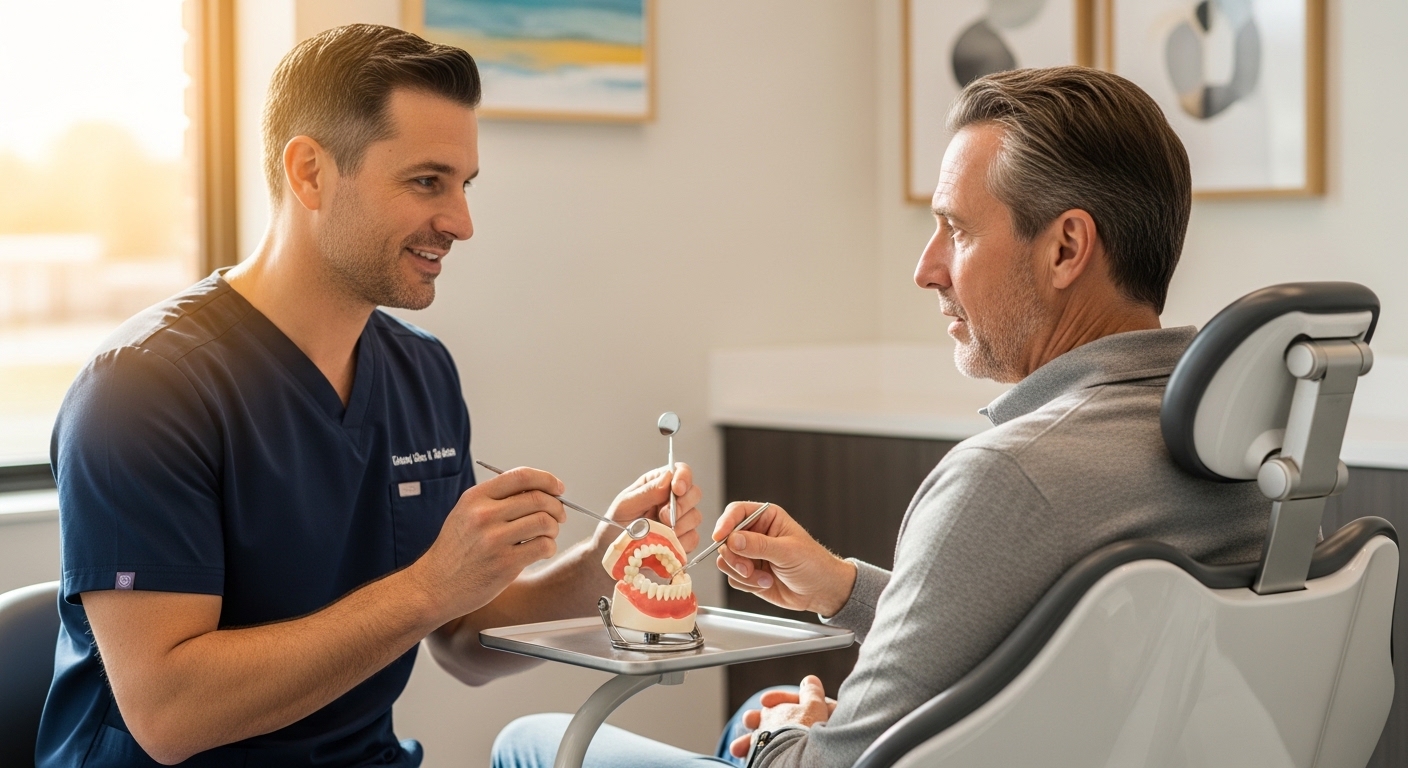
Dental implants offer a fantastic solution for replacing missing teeth, restoring both function and aesthetics. At times, patients notice symptoms like itchy gums after dental implant surgery. Understanding the potential causes helps manage these symptoms effectively.
Understanding Itchy Gums After Dental Implant Surgery
Dental implants, a marvel of modern dentistry, provide a durable solution for missing teeth. They require a connection between the gums and the implant post, making gum health a priority for overall success. Itchy gums can signal the body’s healing process or indicate other concerns.
Causes of Itchy Gums Post-Implant
The healing process can cause various sensations, including itching. Also, allergic reactions, potentially to implant materials or medications, and infections can result in itchy gums. Identifying the root cause of these sensations is crucial to timely intervention.
Healing Process
It’s common to experience some itching as your gums heal. This response to healing tissue can last several weeks as the implant integrates with the jawbone. Understanding what’s normal can ease concerns.
Allergic Reactions
Although rare, allergic reactions to materials, such as the metal used in implants or local anesthesia, can occur. Symptoms include itching, rash, or swelling. An individualized approach helps identify these reactions promptly.
Infection or Inflammation
Inflammation due to infection can significantly intensify symptoms. Signs such as pain, swelling, and pus warrant immediate attention from a dental professional.
Improper Aftercare
Non-adherence to dental implant aftercare can prolong healing and increase the risk of irritation. Routine cleaning and maintenance are important for aiding recovery and alleviating discomfort.
The Healing Process: What to Expect
Healing after dental implant surgery involves stages during which tissues settle around the implant. Itching is often a part of this healing phase. Identifying which symptoms are expected can help differentiate them from alarm signals such as intense pain or prolonged bleeding, which require professional assistance.
Normal vs Worrisome Symptoms
It’s essential to distinguish between normal post-surgery responses and symptoms that necessitate a dental visit. Normal symptoms resolve as tissue healing progresses.
Timeline for Healing
The typical healing process unfolds over a few months, with initial discomfort decreasing over time. Always discuss persistent issues with your dentist.
Addressing Allergic Reactions
Allergic reactions often present with symptoms beyond itching, including swelling or difficulty breathing. Consultation with healthcare professionals for testing and adjustments is critical.
Common Allergens
Reactions often stem from metals such as titanium or from substances used in dental procedures. Identifying specific allergens through medical evaluation can result in immediate care modifications, ensuring patient safety.
How to Identify and Address Reactions
Clear channels of communication with your dental practice, like Golden Oak Sedation Dental & Implant Center, enable quick identification and management of allergic reactions and the tailoring of care as necessary.
Preventing Infection Post-Implant
Infection is a major concern following dental implants. Practicing excellent oral hygiene and attending follow-up appointments are vital steps in avoiding complications.
Signs of Infection
Redness, increased sensitivity, and discharge from the implant site are indications to seek prompt professional evaluation and intervention.
Importance of Oral Hygiene
Regular brushing, flossing, and using an antiseptic mouthwash help safeguard against bacterial buildup, reducing infection risk. Our staff guides on optimal techniques and practices.
Personalized Dental Implant Aftercare
Every patient’s journey is unique, making personalized aftercare indispensable. Golden Oak Sedation Dental & Implant Center crafts individualized plans emphasizing a thorough understanding of your needs and a smooth recovery.
Importance of Tailored Care
Customized care plans ensure awareness of each phase of recovery. Adjustments based on patient responses improve outcomes significantly.
General Guidelines
Common strategies include avoiding harsh oral products, staying hydrated, and a soft-food diet during initial recovery stages.
Importance of Sedation Dentistry
Incorporating sedation into dental procedures alleviates anxiety and supports patient comfort. It plays a significant role in the overall experience, especially for those with dental anxiety.
How It Eases Anxiety
Sedation helps patients relax during procedures, directly influencing post-operative perceptions and comfort. It aids smoother recovery and helps manage discomfort effectively.
Benefits of the Recovery Process
Smooth procedures with minimal trauma lead to less post-operative discomfort and quicker recovery. This patient-centered approach is a staple at Golden Oak Sedation Dental & Implant Center.
Advanced Technology in Implant Care
Current dental technology significantly enhances the efficiency and outcomes of dental implant care. Facilities such as in-house labs and 3D imaging enhance precision and patient satisfaction.
Benefits of In-House Lab Care
On-site labs enable precise, swift adjustments to dental solutions. It also supports the streamlined delivery of whole-service care.
Role of 3D Imaging
State-of-the-art 3D imaging provides detailed visualization, crucial for precise treatment planning and tracking healing progress. It ensures optimum implant placement and outcome monitoring.
When to Contact Your Dentist
Being aware of when professional consultation is necessary avoids complications. Experiencing persistent itching, swelling, or pain signals the need for a dental evaluation.
Recognizing Issues Early
Timely intervention prevents prolonged conditions and aids efficient resolutions. Regular professional evaluations contribute to overall dental health maintenance.
Importance of Regular Check-ups
Continual monitoring through scheduled appointments ensures implants remain in excellent condition and any emerging concerns are addressed promptly.
FAQs
- How long does itching last?
Itching typically decreases within weeks as the gums heal. - Is itching a bad sign?
Mild itching is normal, but persistent discomfort should be evaluated. - What can I do at home to soothe my gums?
Cold compresses and gentle oral rinsing help alleviate itching. - Do some people experience more itching?
Yes, individual healing responses vary among patients.
Taking the Next Step with Golden Oak Sedation Dental & Implant Center
If itchy gums after dental implants raise concerns, reach out to Golden Oak Sedation Dental & Implant Center for an evaluation. Our practice’s dedication to personalized, anxiety-free dental care ensures you receive the attention and expertise you need for a smooth recovery. Schedule your consultation today to maintain optimal oral health and comfort.