

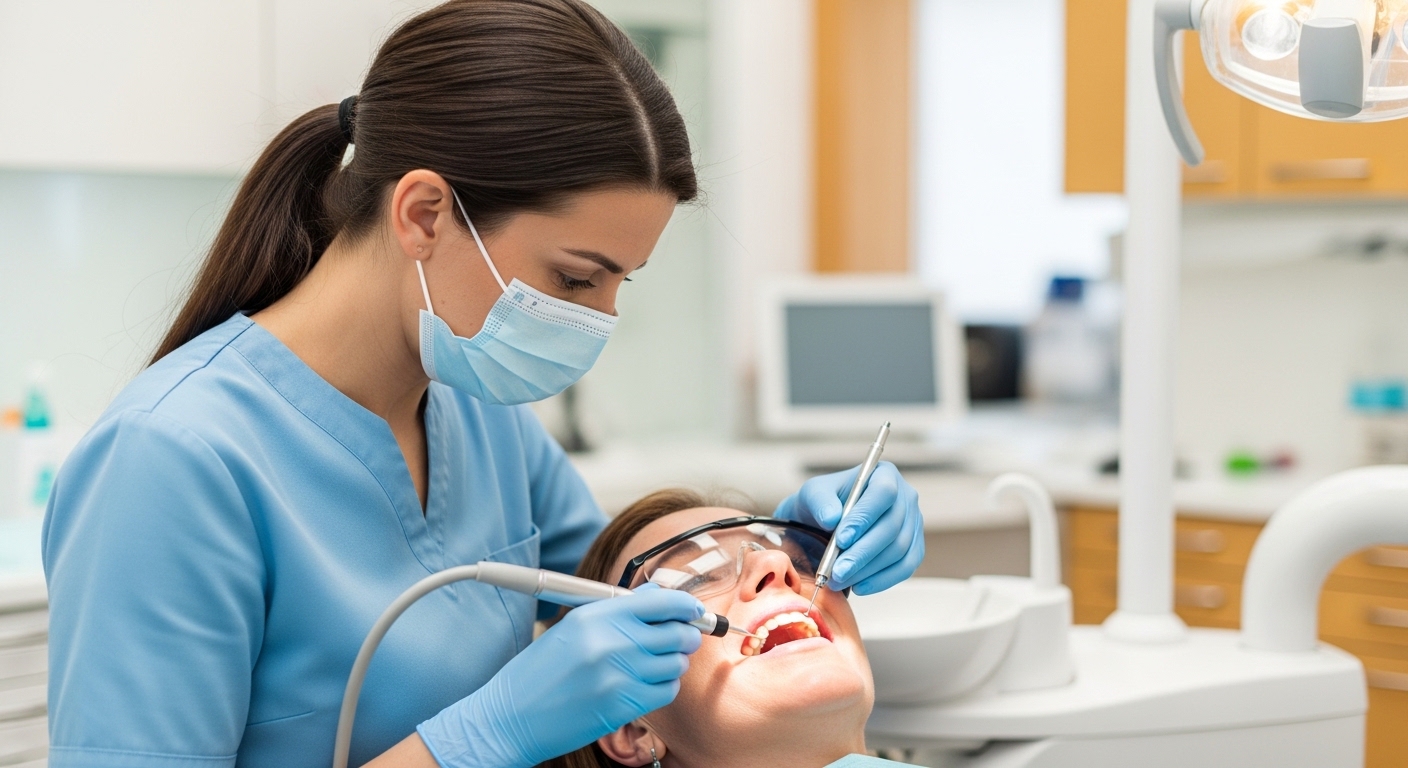
When it comes to oral health, understanding the difference between dental cleaning and deep cleaning is crucial for maintaining a healthy smile. Whether you’re managing regular checkups or addressing specific concerns, choosing the right type of cleaning can impact your overall oral health.
Understanding the Basics of Dental Cleanings
Routine dental cleanings, often known as prophylaxis, are essential for maintaining oral health. Performed by dental hygienists, these cleanings focus on preventing periodontal disease and tooth decay, ensuring the gums and teeth remain healthy. The procedure typically involves removing plaque and tartar from the surfaces of the teeth, followed by polishing, and helps maintain oral hygiene effectively.
- Routine cleanings are usually recommended every six months.
- They prevent cavities, gingivitis, and other oral health issues.
- Maintaining regular appointments supports overall oral health.
What is a Deep Cleaning?
Deep cleaning, or scaling and root planing, is a more intensive procedure aimed at treating gum diseases such as periodontitis. Unlike routine cleanings, deep cleaning delves below the gum line to remove tartar, plaque, and bacteria.
Deep cleanings are typically recommended during the early stages of gum disease to prevent further damage. This process helps heal gums by clearing tartar from the root surfaces and smoothing them to prevent bacterial buildup.
Signs You Might Need a Deep Cleaning
Some common symptoms indicating the need for a deep cleaning include:
- Inflammation and bleeding in the gums
- Chronic bad breath
- Sensitive teeth
- Recession of the gums
If left untreated, these symptoms can lead to more severe issues, emphasizing the importance of addressing them promptly.
The Deep Cleaning Procedure: What to Expect
Deep cleaning typically requires two appointments, with local anesthesia to ensure comfort. Here’s a breakdown of what you should expect:
Step-by-Step Process
- Scaling: Removing tartar and plaque below the gum line.
- Root Planing: Smoothing root surfaces to discourage further plaque buildup.
- In some cases, antibiotics may be used to reduce bacterial counts.
- The procedure might require sedation, which can be discussed with your dentist at Golden Oak Sedation Dental & Implant Center.
Post-Procedure Care
- Mild soreness and sensitivity are common after care.
- Use prescribed rinses and follow your dentist’s instructions for optimal recovery.
- Follow-up visits may be necessary to monitor the healing process.
Benefits of Deep Cleaning for Overall Health
Deep cleanings are beneficial beyond oral health, providing significant health advantages:
- Prevents progression of periodontitis, reducing the risk of tooth loss.
- Decreases the risk of systemic conditions linked to oral health, such as heart disease.
- Ensures healthier tooth and gum structure, preventing future issues.
Differences Between Dental Cleaning Types
Understanding the differences between types of dental cleaning helps determine the appropriate care needed.
Frequency and Duration
- Routine cleaning: Typically every 6 months for ongoing maintenance.
- Deep cleaning: Frequency depends on gum health, usually recommended more sporadically.
Equipment and Techniques Used
- Routine cleaning involves standard tools and techniques for superficial cleaning.
- Deep cleaning uses specialized tools and may involve more advanced techniques.
Recovery and Aftercare
- Routine cleaning has minimal recovery time, while deep cleaning requires specific care and follow-up.
Golden Oak Sedation Dental & Implant Center Approach to Patient Comfort
At Golden Oak Sedation Dental & Implant Center in Cookeville, TN, patient comfort is prioritized through personalized, anxiety-free care that utilizes sedation options and advanced technology.
- Advanced 3D Imaging: Allows precise treatment planning, enhancing outcomes.
- Sedation Dentistry: Offers anxiety-free dental experiences, catering to individual comfort needs.
Frequently Asked Questions
How often should I get a dental cleaning?
Regular cleanings are generally recommended every six months, but your dentist may suggest different frequencies based on individual needs.
What are the costs associated with deep cleaning?
The cost can vary based on the extent of treatment required; your dentist at Golden Oak Sedation Dental & Implant Center can provide a personalized estimate.
Is deep cleaning painful?
With sedation options, discomfort is minimal, ensuring a comfortable experience tailored to your needs.
Can regular cleaning prevent the need for deep cleaning?
Maintaining regular cleanings can significantly reduce the risk of needing more invasive treatments.
Schedule Your Consultation with Golden Oak Sedation Dental & Implant Center
For personalized, anxiety-free dental care, schedule your consultation with Golden Oak Sedation Dental & Implant Center in Cookeville, TN, today. Our team is dedicated to providing comprehensive oral health solutions, ensuring every patient receives the utmost care in a comfortable, advanced setting. Contact us to discuss your dental needs and explore our full range of services.